
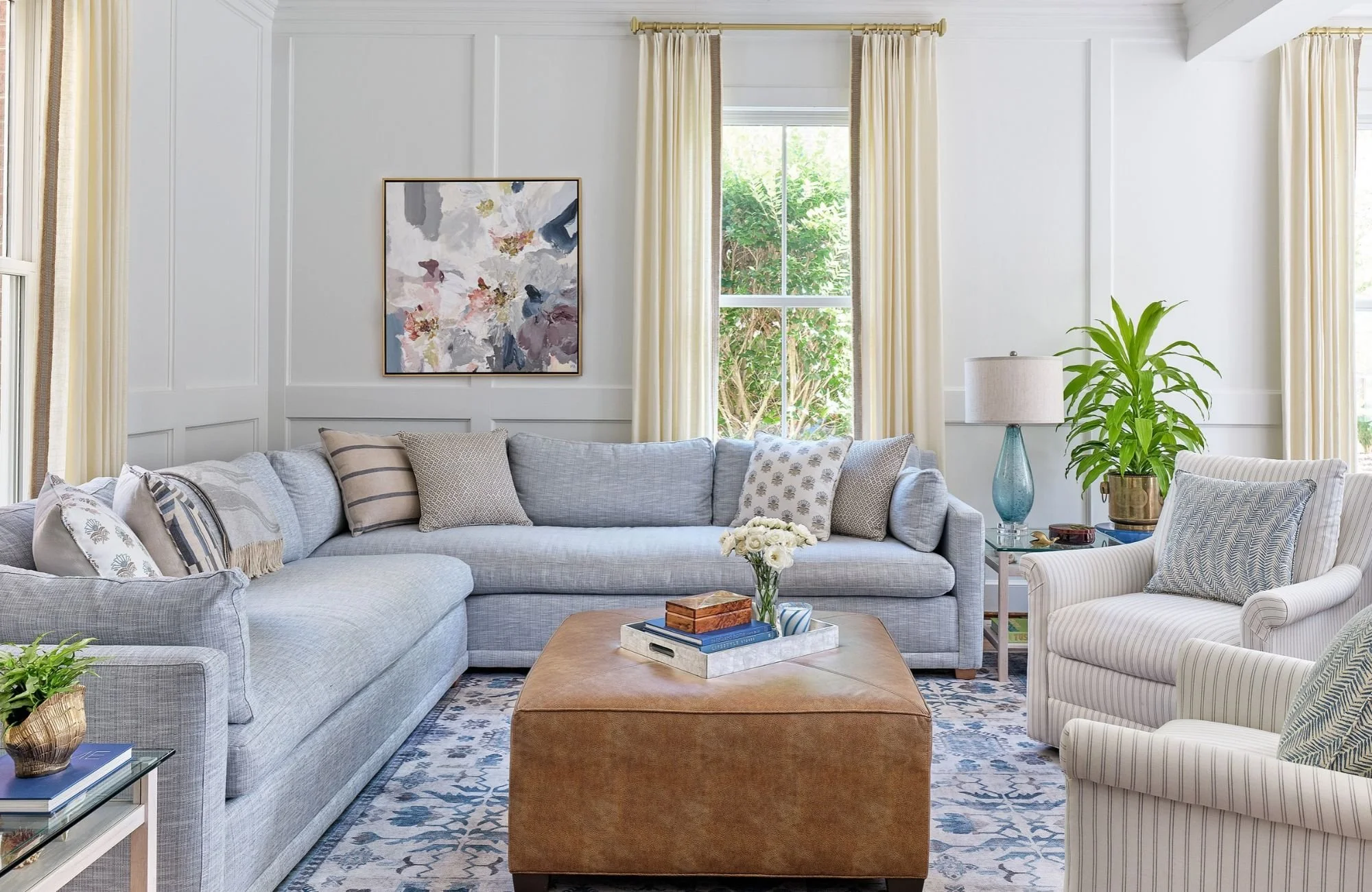
When I first walk into a home, I see more than just walls and furniture—I see the story waiting to be told through color. Creating a cohesive color palette for your entire home is one of the most powerful ways to bring your story to life. I understand how overwhelming it can feel to choose colors that flow beautifully from room to room, especially when you want each space to feel both unique and connected. That’s why our team focuses on thoughtful, purposeful color design that reflects your lifestyle and makes your home feel truly yours.
Understanding How Color Shapes Your Home’s Story
Color influences mood, perception, and how spaces relate to one another. When designing a whole home color palette, we prioritize two key areas: emotional impact and spatial flow. Each color choice is purposeful, supporting the function and feel of the room while contributing to an overall narrative. For example, calming neutrals might anchor living areas, while richer jewel tones add warmth and depth in more intimate spaces. This balance ensures your home feels connected yet dynamic.
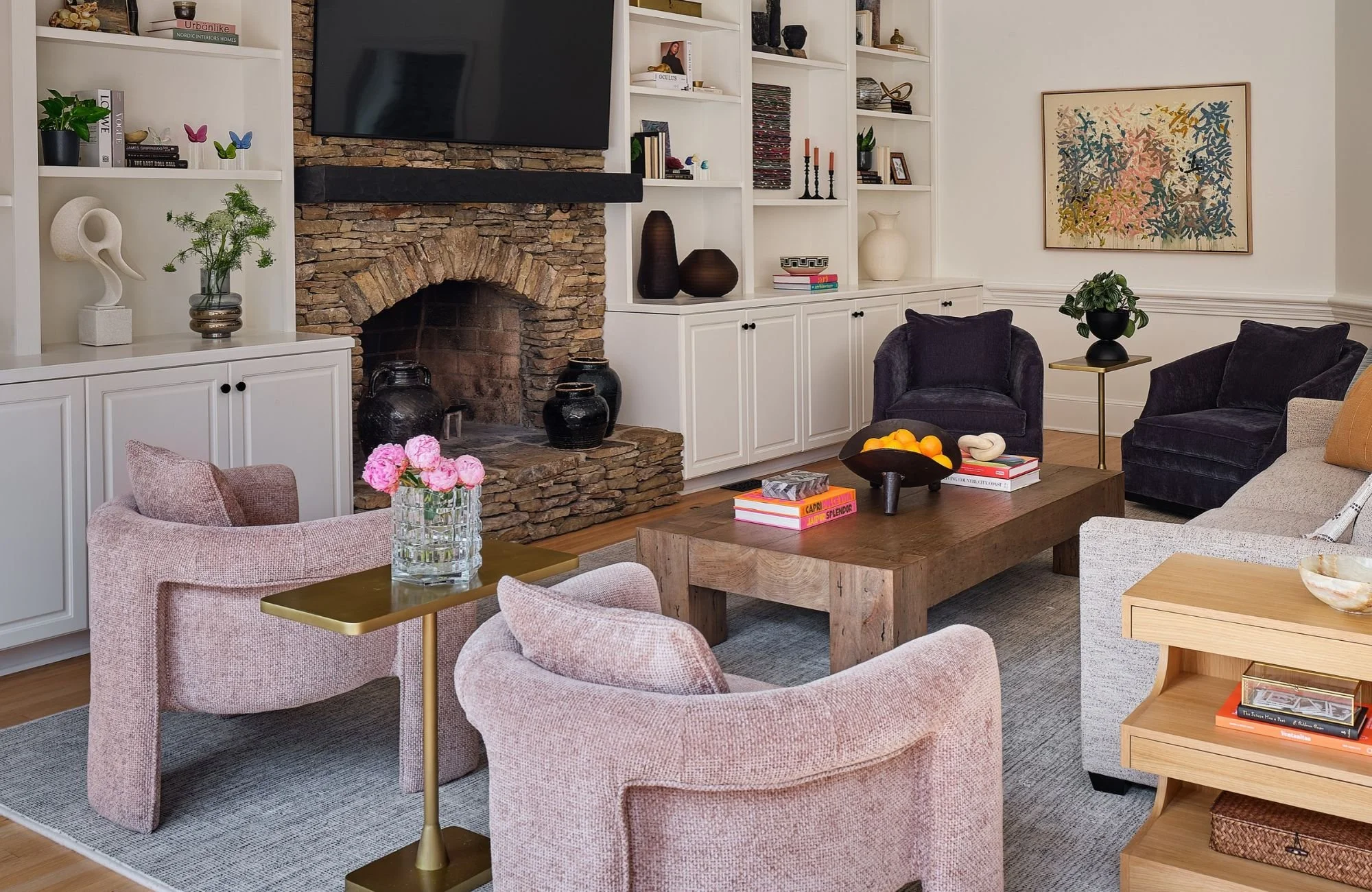
Elevating Your Palette with Intentional Choices
One of the most important design decisions we make is what to simplify or limit in the palette. Instead of overwhelming the eye with too many competing colors, we focus on a curated selection that complements your furnishings and architectural details. This intentional restraint creates cohesion without monotony. For instance, we might avoid overly bold accent colors in high-traffic areas to maintain a serene atmosphere, reserving those pops for accent walls or accessories.
Creating Flow Through Color Transitions
A seamless color story requires thoughtful transitions between rooms. We consider how natural light, room size, and function influence color perception and use these factors to guide palette shifts. Soft gradients or shared undertones help rooms flow effortlessly, while subtle contrasts define distinct zones without disrupting harmony. This approach ensures your home feels spacious and well-planned, even as each room maintains its unique character.
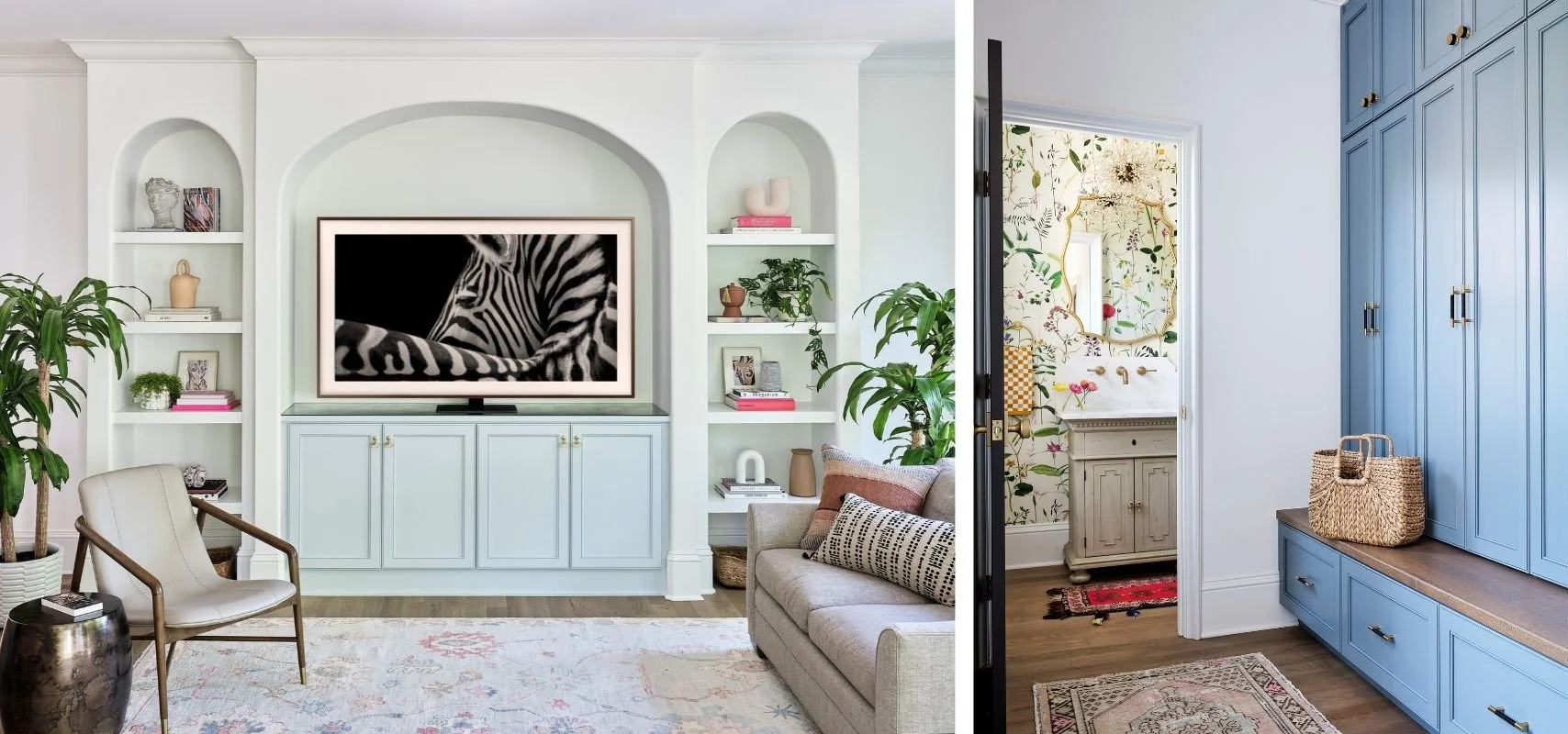
Soft pastels and bright pops of color echo throughout our Historic Villa project, creating a sense of cohesion.
Key Takeaways for Building Your Home’s Color Story
Prioritize emotional resonance and spatial flow when selecting colors.
Use a curated palette with intentional limits to avoid visual clutter.
Plan smooth transitions between rooms with shared undertones or gradients.
Frequently Asked Questions
Q: How many colors should I include in a whole home palette?
A: Typically, a palette includes 3-5 main colors plus neutrals. This range offers enough variety for interest while maintaining cohesion.
Q: Can I use bold colors in a cohesive palette?
A: Yes, but it’s best to use bold colors strategically as accents or in smaller spaces to keep the overall flow balanced.
Q: How do I choose colors that work with my existing furniture?
A: Start by identifying dominant tones in your furnishings and select palette colors that complement or enhance those hues.
If you’re ready to bring a purposeful, cohesive color story to your home, we’re here to help you every step of the way. Reach out to us here, and let’s create a space that feels unmistakably yours.
See y’all soon,
Susan