
Open vs. Closed Floor Plans: Designing a Home That Fits Your Lifestyle
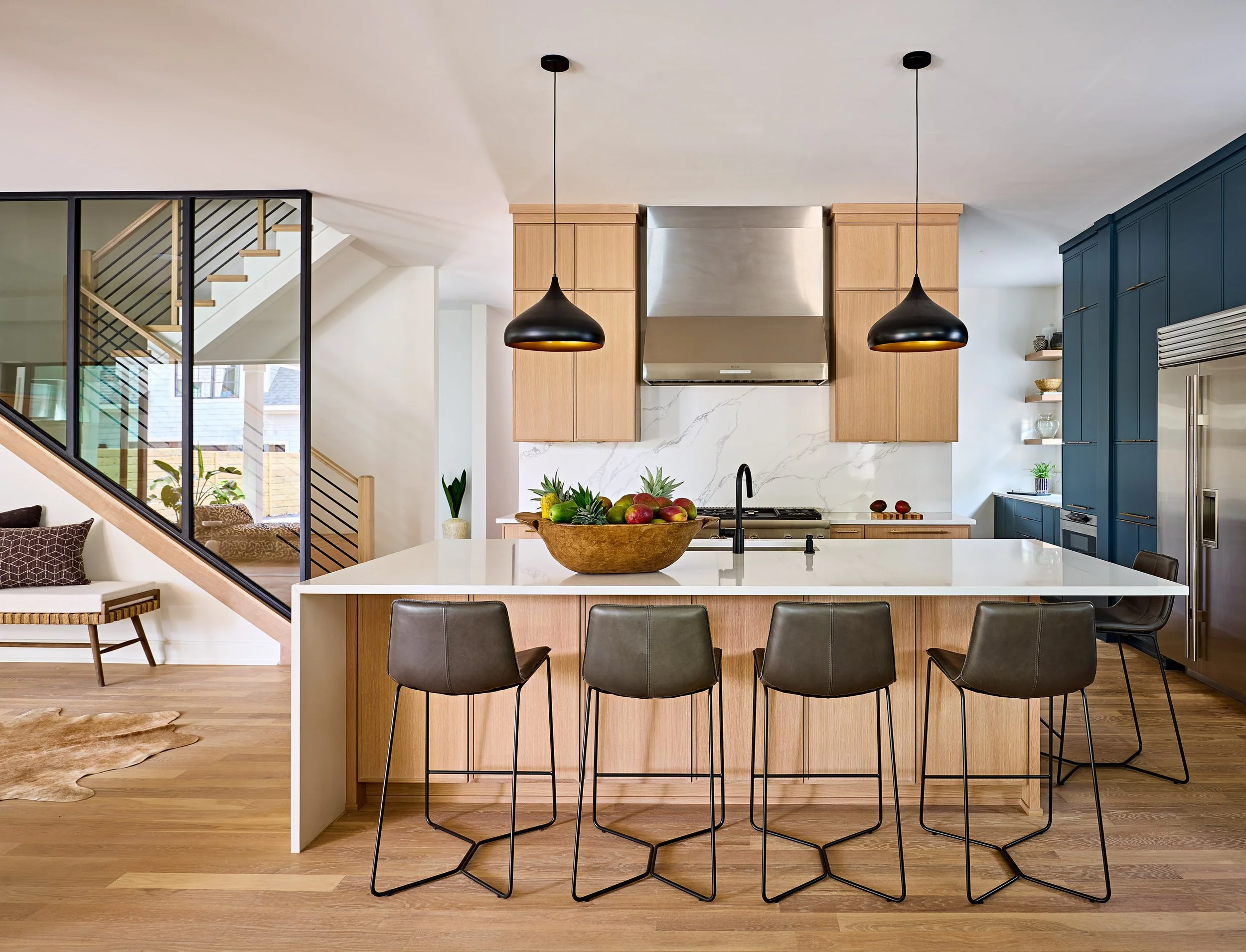
When it comes to designing a home, one of the most fundamental decisions is choosing between an open or closed floor plan. This choice shapes how you live, interact, and enjoy your space every day.
As your designer, we will never tell you that one is better than the other. Rather, we believe that the best floor plan is one that aligns seamlessly with your lifestyle, balancing aesthetics, functionality, and comfort.
The Appeal and Challenges of Open Floor Plans
Open floor plans have surged in popularity for their ability to create airy, connected spaces. By minimizing walls and barriers, these layouts foster a sense of flow and inclusivity, making them ideal for families who love to entertain or stay connected throughout the day. However, open plans require thoughtful design to maintain distinct zones and avoid a feeling of chaos.
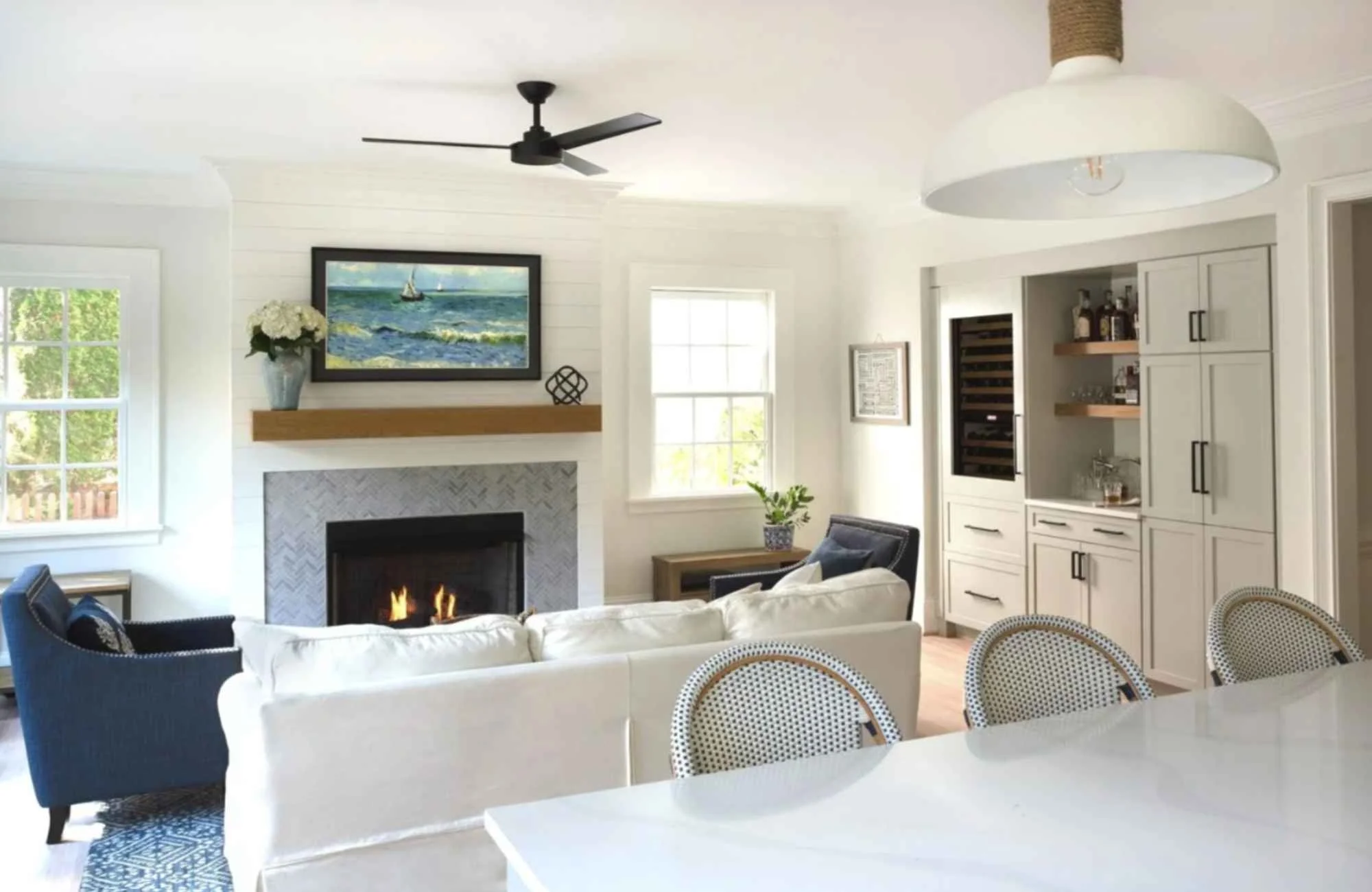
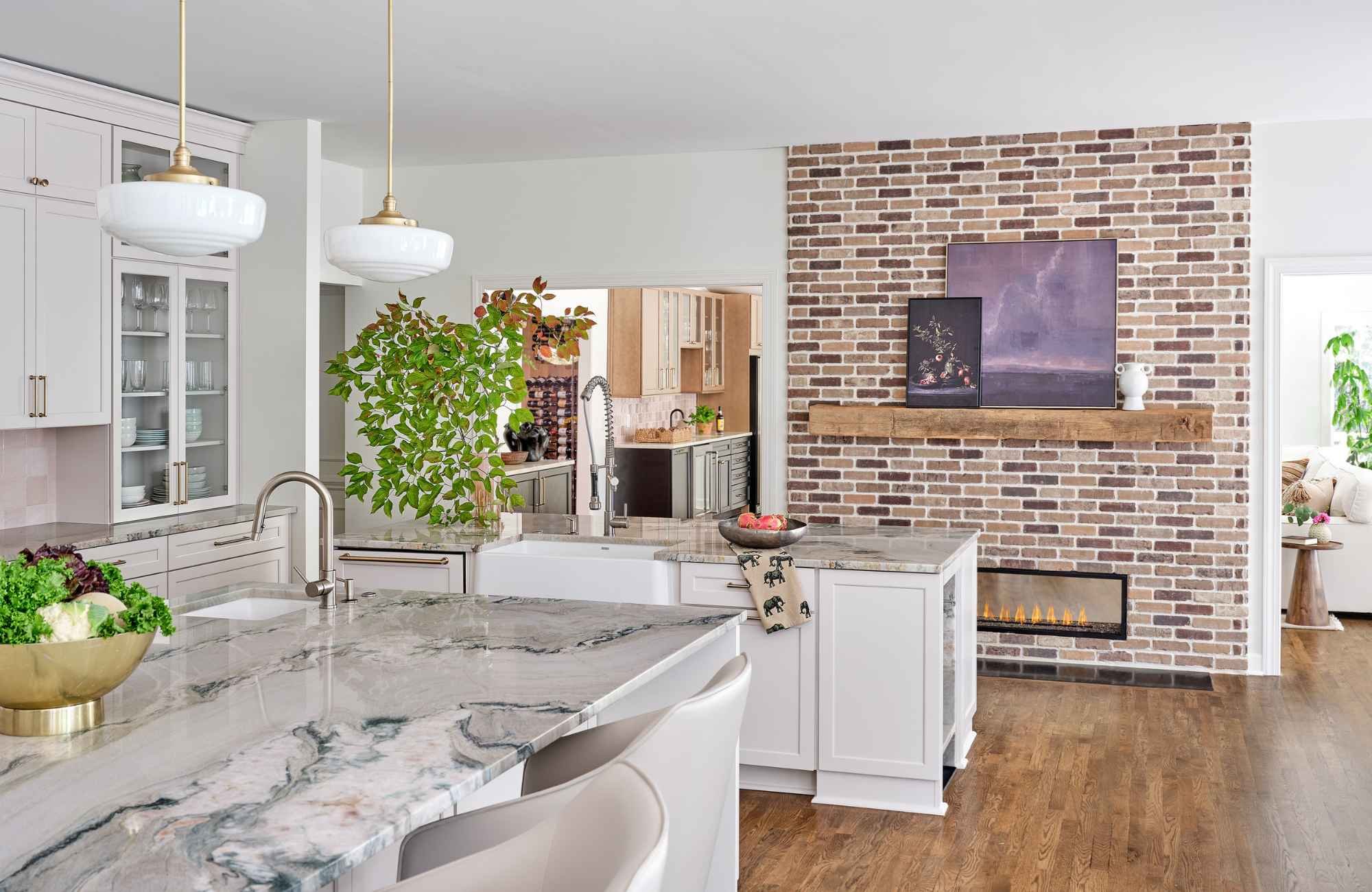
Our Hermitage Historic project features an open kitchen and living area, perfect for an active family with young kiddos.
The Privacy and Structure of Closed Floor Plans
Closed floor plans offer defined rooms and privacy, which can be essential for households that value quiet, separation, or specific uses for each space. These layouts often appeal to those who prefer traditional home designs or need dedicated areas for work, study, or relaxation. The challenge lies in ensuring the home doesn’t feel compartmentalized or disconnected.
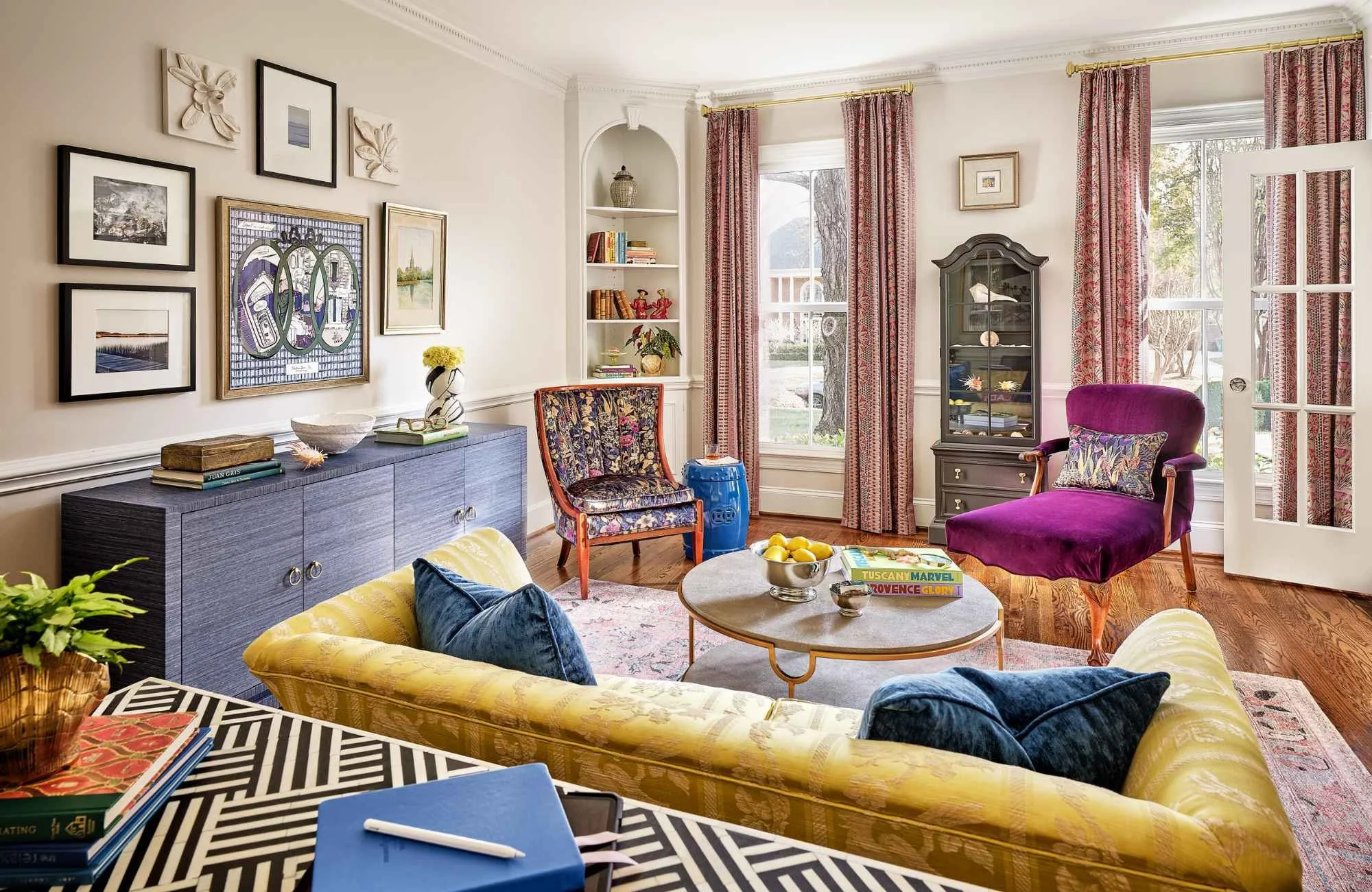
The comfortable, closed-off living room in our Quail Hollow project is the perfect place for reading and privacy.
Designing Balance Between Flow and Function
Designing for open or closed floor plans involves tradeoffs. For open layouts, we prioritize creating clear zones using furniture placement, lighting, and accessories to define spaces without walls. For closed plans, we focus on flow and accessibility, ensuring rooms connect naturally while preserving privacy.
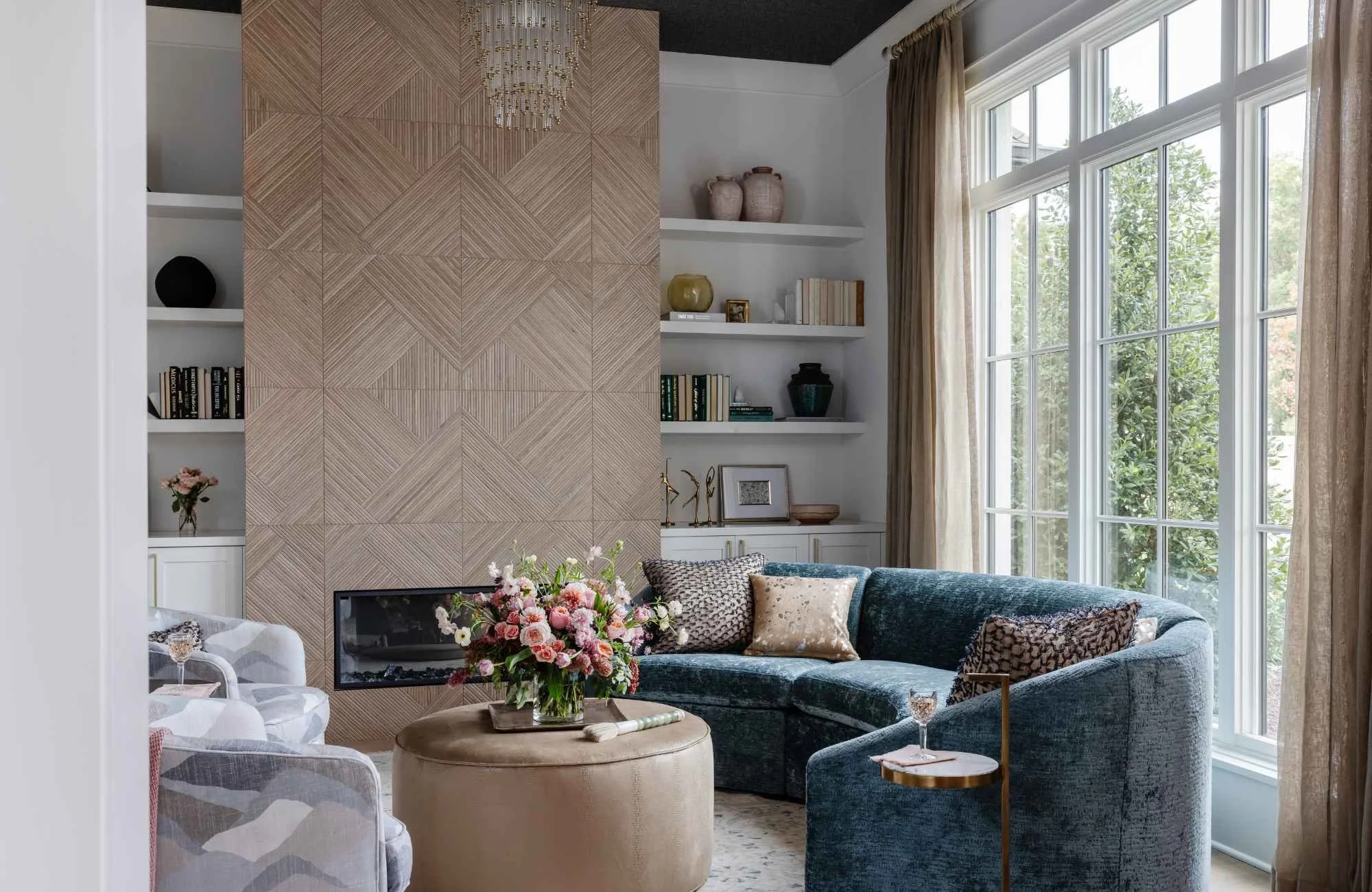
Choosing the Right Layout for Your Lifestyle
Ultimately, the choice between open and closed floor plans depends on how you live. Do you thrive in lively, communal spaces, or do you need quiet retreats? Are you hosting gatherings often, or do you prefer intimate, separate rooms? We guide you through these questions, tailoring designs that reflect your daily rhythms and personal preferences.
Key Principles for Thoughtful Floor Plan Design
Prioritize how you live over trends—your floor plan should support your lifestyle first.
Use design elements like furniture and lighting to create zones in open plans without sacrificing flow.
Balance privacy and connection in closed plans by thoughtful room placement and access.
Ready to create a home that truly fits your life? Reach out to us to explore your floor plan options and start designing a space that feels unmistakably yours.
See y’all soon,
Susan