
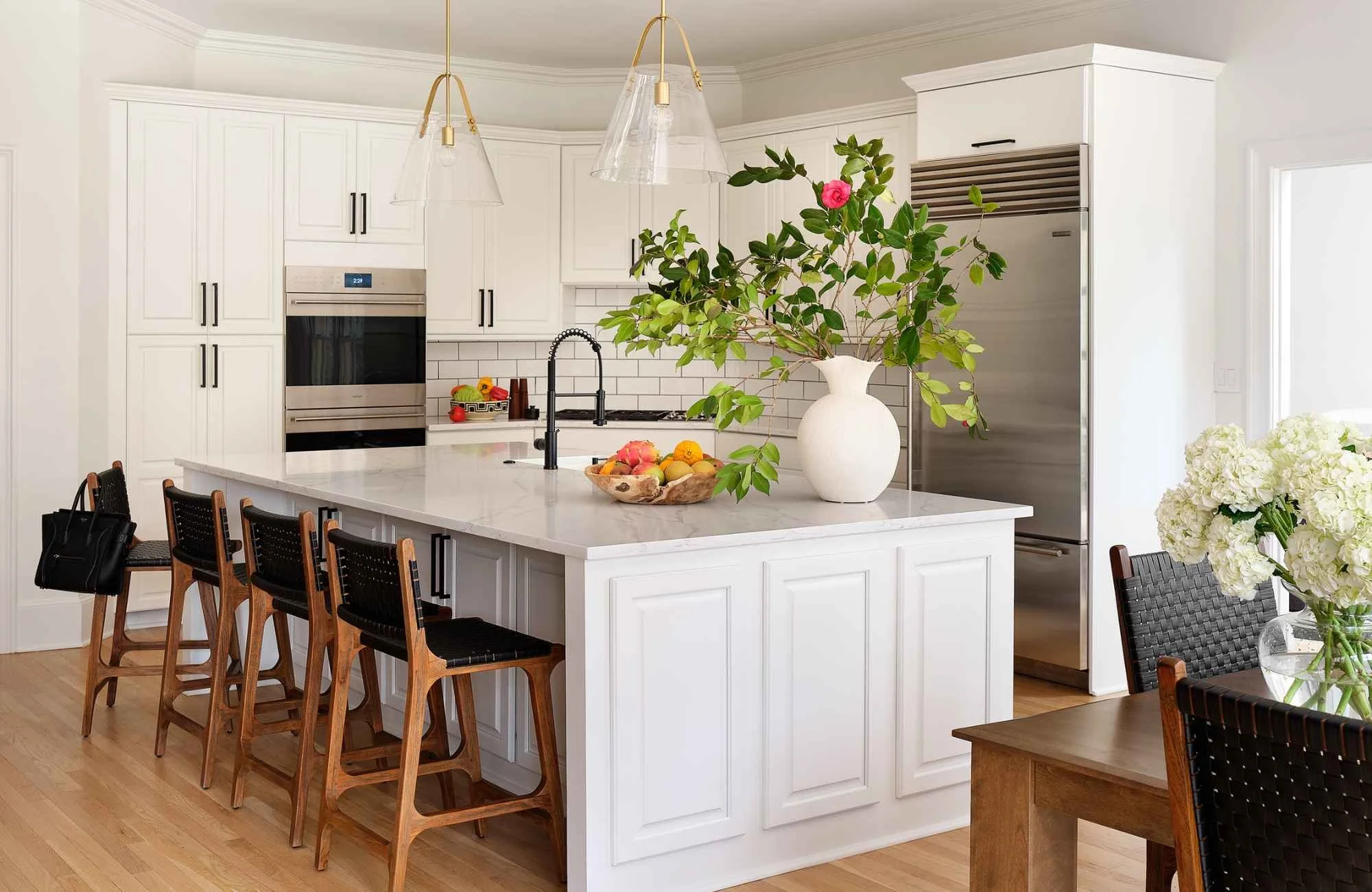
When it comes to selecting surfaces for your home, the decision between natural stone and engineered stone is often a source of uncertainty. Many of our clients find themselves weighing the timeless beauty of natural materials against the modern performance and consistency of engineered options.
As a designer, I’ve seen firsthand how this choice shapes not only the aesthetic but also the functionality and longevity of a space. Today, I’m shedding some light on the nuances between these materials to help you make an informed, design-forward decision that truly fits your lifestyle.
Balancing Aesthetic Appeal and Practical Performance
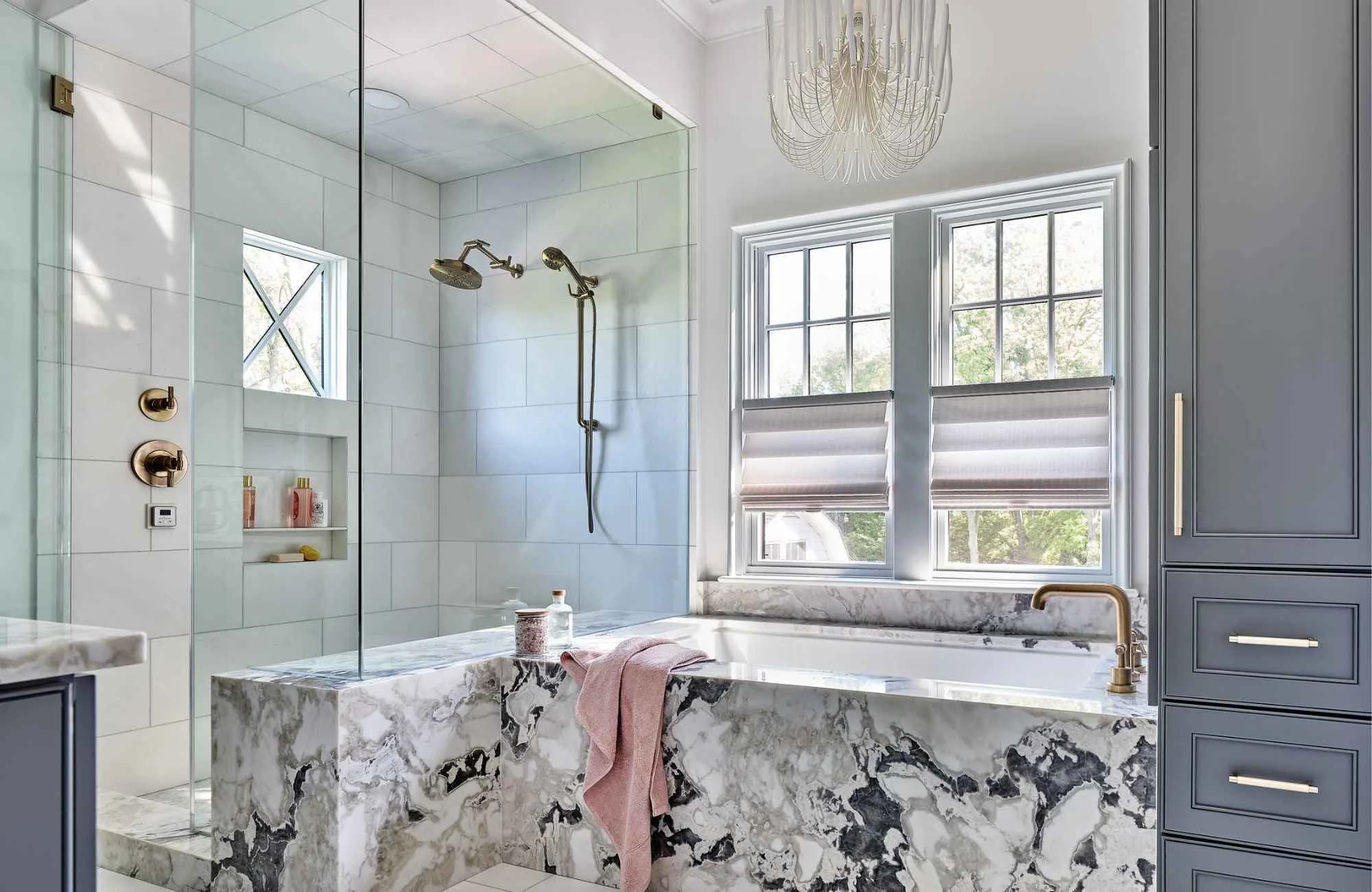
Natural stone, such as granite or marble, offers unique patterns and variations that no two slabs can replicate. This inherent individuality brings a sense of authenticity and luxury to any room. However, natural stone requires careful maintenance and can be prone to staining or etching, especially in high-use areas like kitchens.
Engineered stone, typically quartz-based, provides a consistent look with a wide range of colors and patterns. Its non-porous surface resists stains and scratches, making it a practical choice for busy households. The tradeoff is that engineered surfaces may lack the organic depth and character that natural stone delivers.
How We Match Materials to the Way You Live
In my experience working with clients, I prioritize two key factors: durability for everyday use and the desire for a distinctive aesthetic. For families with active lifestyles, engineered stone often emerges as the preferred option due to its resilience and low maintenance. Conversely, for clients seeking a statement piece with natural charm, natural stone remains unmatched.
One intentional limitation I apply is avoiding overly rare natural stones in high-traffic areas to prevent premature wear and costly repairs. Instead, I recommend reserving these materials for accent surfaces or less demanding spaces.
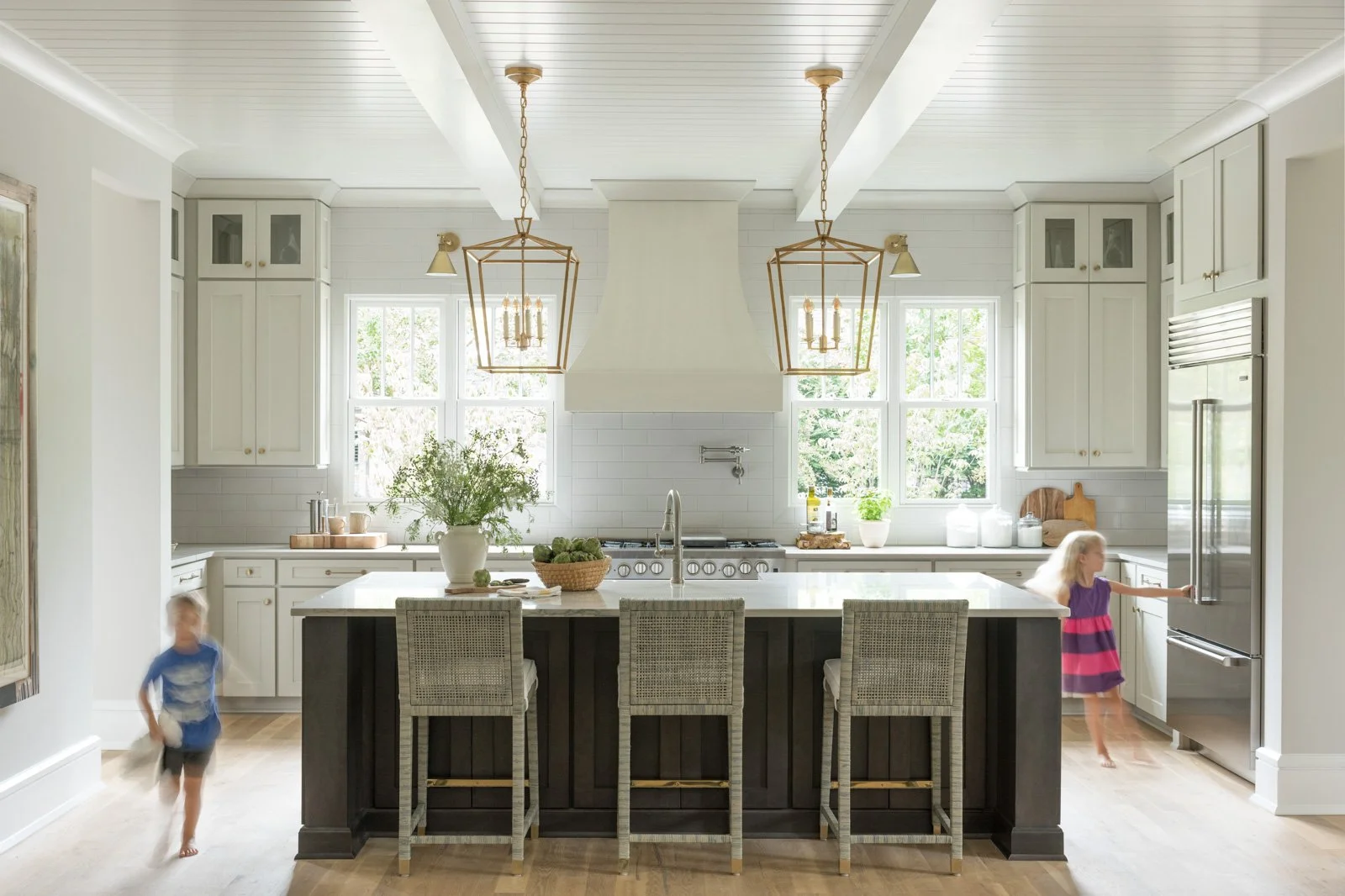
In our Worthington project, we selected a countertop that would fit the active family’s lifestyle.
Where Natural Stone & Engineered Stone Perform Best
Natural stone excels in spaces where its beauty can be showcased and cared for, such as bathroom vanities or fireplace surrounds. Engineered stone is ideal for kitchen countertops, backsplashes, and other surfaces that demand durability and ease of cleaning.
Common Questions About Stone Surfaces
Q: Is engineered stone more expensive than natural stone?
A: Investment levels vary widely depending on the type and source of natural stone and the brand of engineered stone. Generally, engineered stone offers competitive pricing with added durability benefits.
Q: Can natural stone be sealed to prevent staining?
A: Yes, sealing natural stone helps protect it, but it requires regular maintenance to remain effective.
Q: Are engineered stone surfaces heat resistant?
A: Engineered stone is heat resistant to a degree but placing hot pots directly on the surface is not recommended to avoid damage.
Key Considerations When Choosing Your Surface
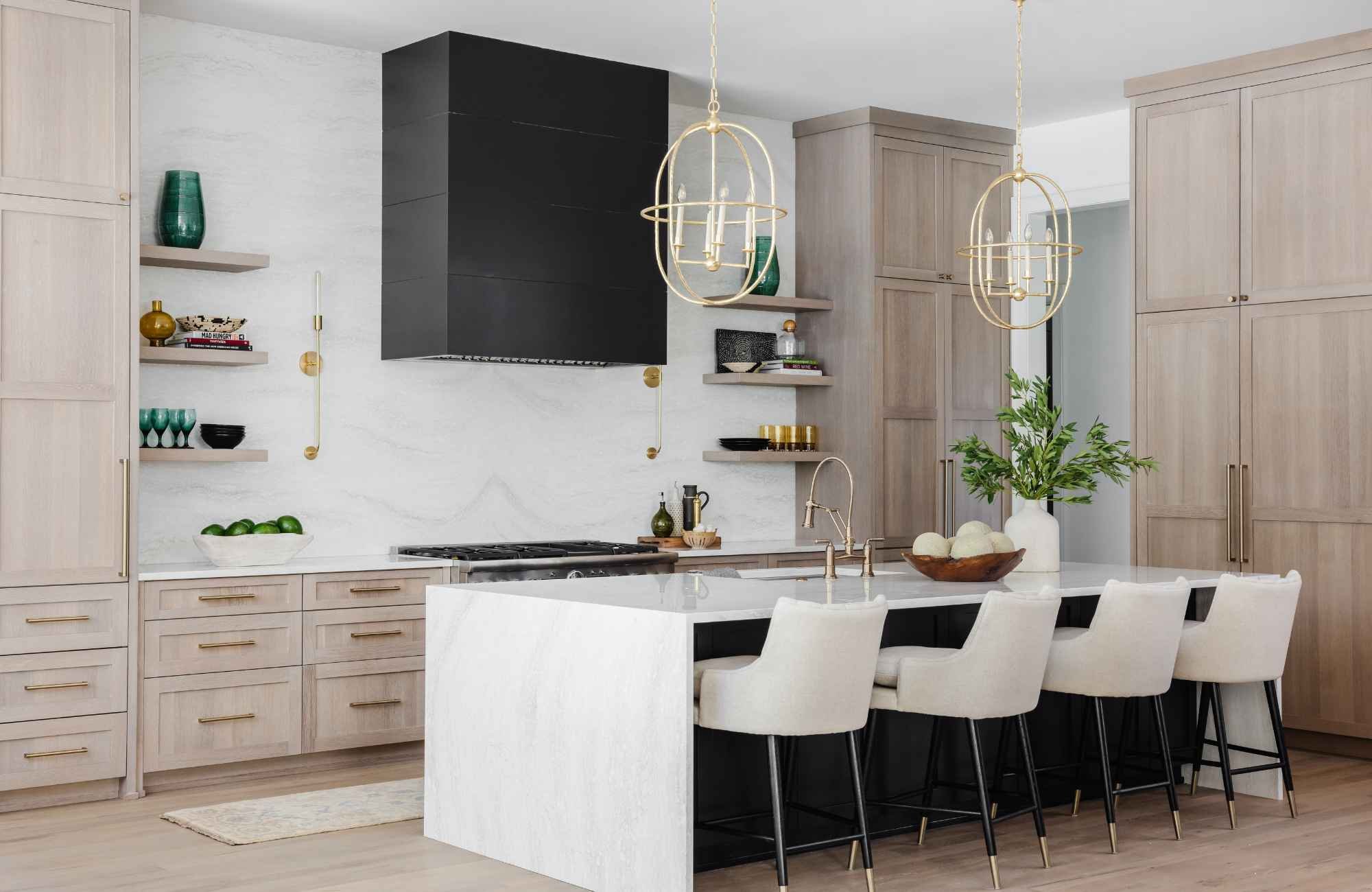
Embrace the unique character of natural stone when authenticity and luxury are priorities.
Opt for engineered stone when durability, consistency, and low maintenance are essential.
Consider your lifestyle and how the surface will be used to guide your choice.
Choosing between natural and engineered stone is a nuanced decision that blends design vision with practical needs. By understanding the strengths and limitations of each, we can help you select a surface that enhances your home’s beauty and functionality for years to come.
If you’re ready to transform your entire space with thoughtful, cohesive design that reflects your lifestyle and taste, we’re here to help. From selecting the perfect surfaces to curating every detail, our approach ensures your home is both beautiful and functional. Reach out to us, and let’s create a space that’s unmistakably yours.
See y’all soon,
Susan