
How We Select the Ideal Backsplash to Elevate Your Kitchen Design
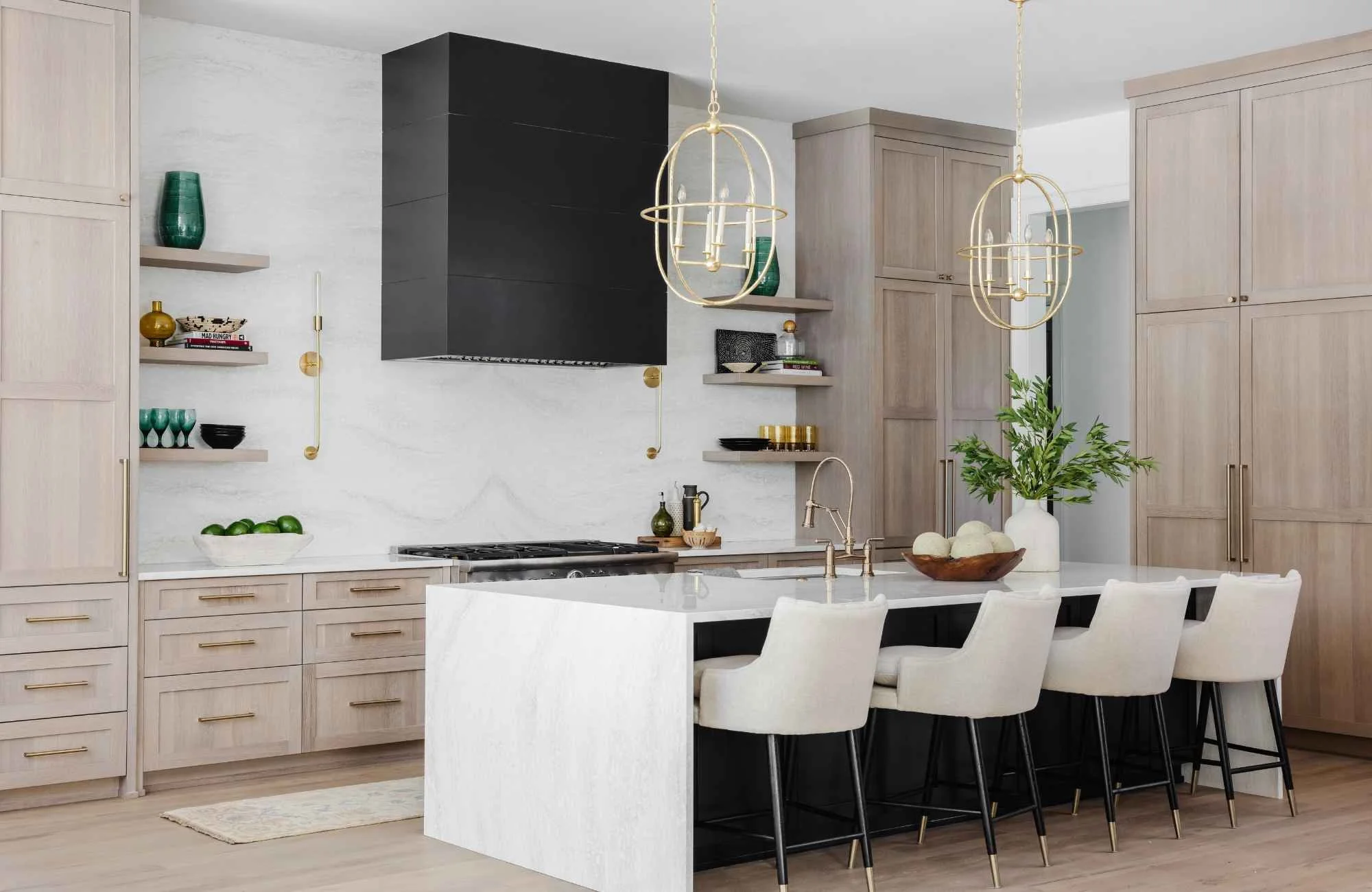
When it comes to kitchen design, the backsplash is far more than just a finishing detail. It’s a defining element that can either harmonize the space or become a striking focal point.
Our clients often feel overwhelmed by the endless number of backsplash options available, unsure how to balance aesthetics, functionality, and durability. That’s where expert guidance becomes invaluable. Choosing the right backsplash material is a nuanced decision that reflects both the lifestyle and design aspirations of each client.
Understanding the Role of the Backsplash in Kitchen Design
The backsplash can serve multiple purposes: protecting walls from cooking splatters, adding texture and color, reflecting natural light, and tying together cabinetry, countertops, and appliances. In luxury kitchens, the backsplash often acts as an architectural statement, elevating the overall ambiance.
Our approach prioritizes two key areas: material performance suited to daily use and visual cohesion with the kitchen’s overall design.
Balancing Statement and Subtlety
One of the first decisions we make is whether the backsplash should stand out as a bold design feature or recede to support other elements. If you seek a seamless, understated look, slab backsplashes crafted from materials like quartz or marble offer a sleek, continuous surface that feels both modern and timeless. These slabs minimize grout lines, creating an architectural calmness that complements high-end cabinetry and countertops.
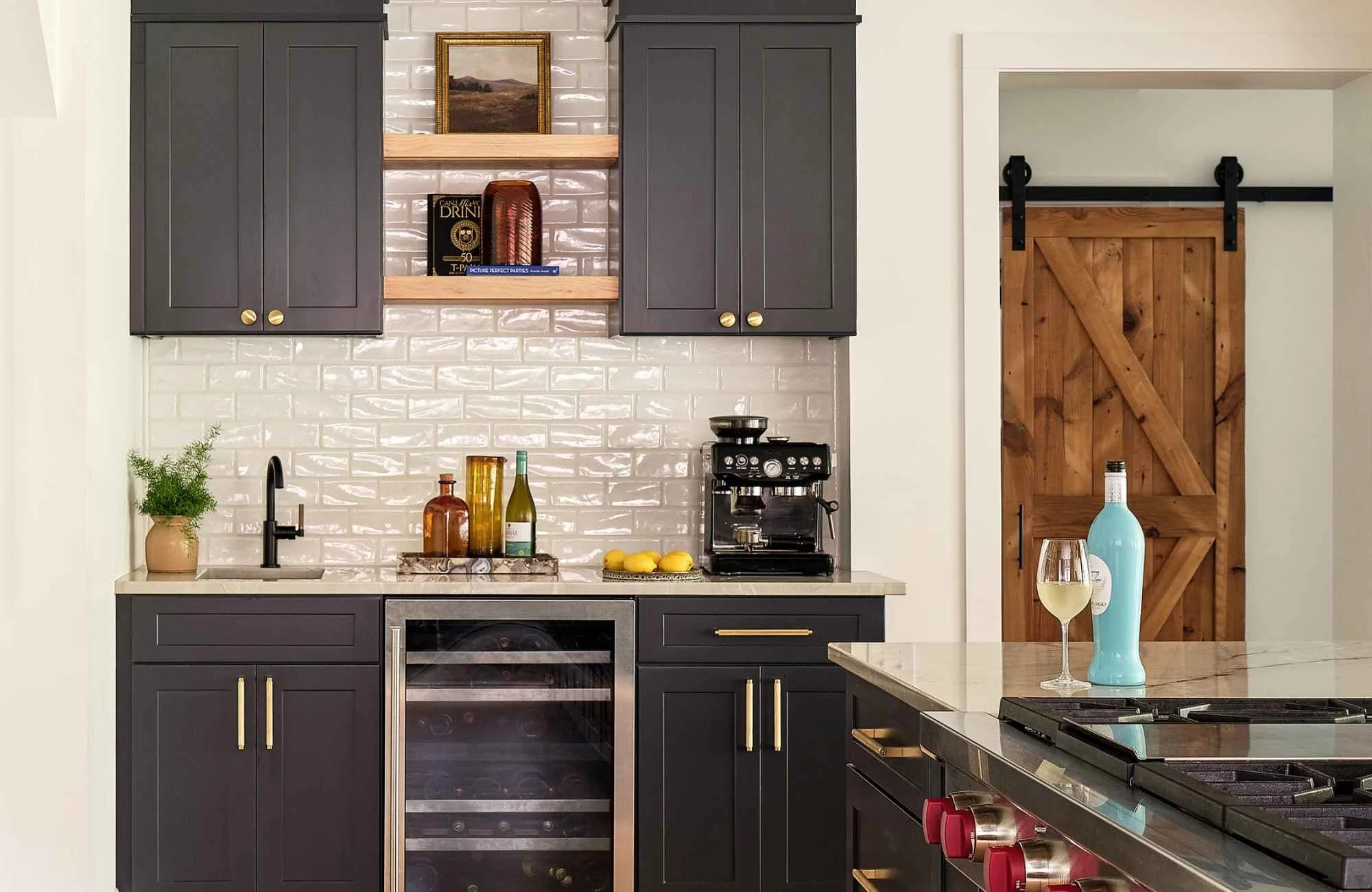
On the other hand, tile backsplashes provide an opportunity to introduce texture, pattern, and subtle detail. From classic subway tiles to artisanal mosaics, tile options can add warmth and personality. However, tile grout requires maintenance and can visually busy a space if not carefully selected. We intentionally avoid overly intricate tile patterns in smaller kitchens to prevent visual clutter, favoring simplicity and elegance instead.
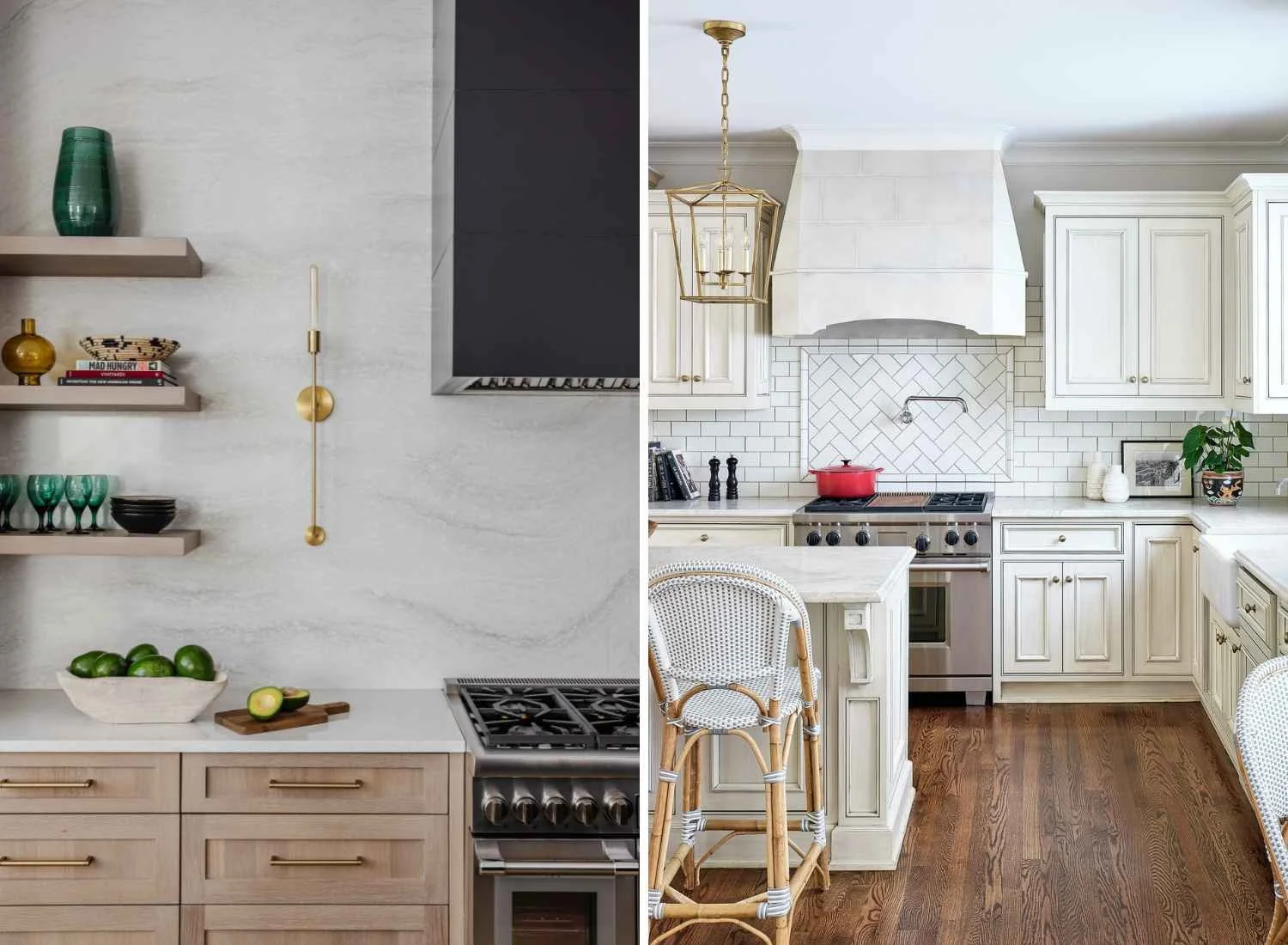
We used slab backsplash in our Skyecroft project (left) and classic tile in our Quail Hollow project (right)
Exploring Beyond Tile and Slab: Integrated and Alternative Materials
Luxury kitchen design often calls for innovation beyond traditional materials. We explore options like plaster finishes, metal panels, and wood accents that integrate seamlessly with cabinetry or countertops. These alternatives offer unique tactile experiences and can be customized to reflect the client’s personal style. For example, a softly plastered backsplash can add depth and warmth without competing with other design elements.
A key tradeoff in these choices is balancing durability with aesthetic appeal. While metal backsplashes can be stunning, they may show fingerprints or scratches more readily. Wood, though warm and inviting, requires careful sealing to withstand kitchen moisture. Our design decisions always weigh these factors to ensure longevity without compromising beauty.
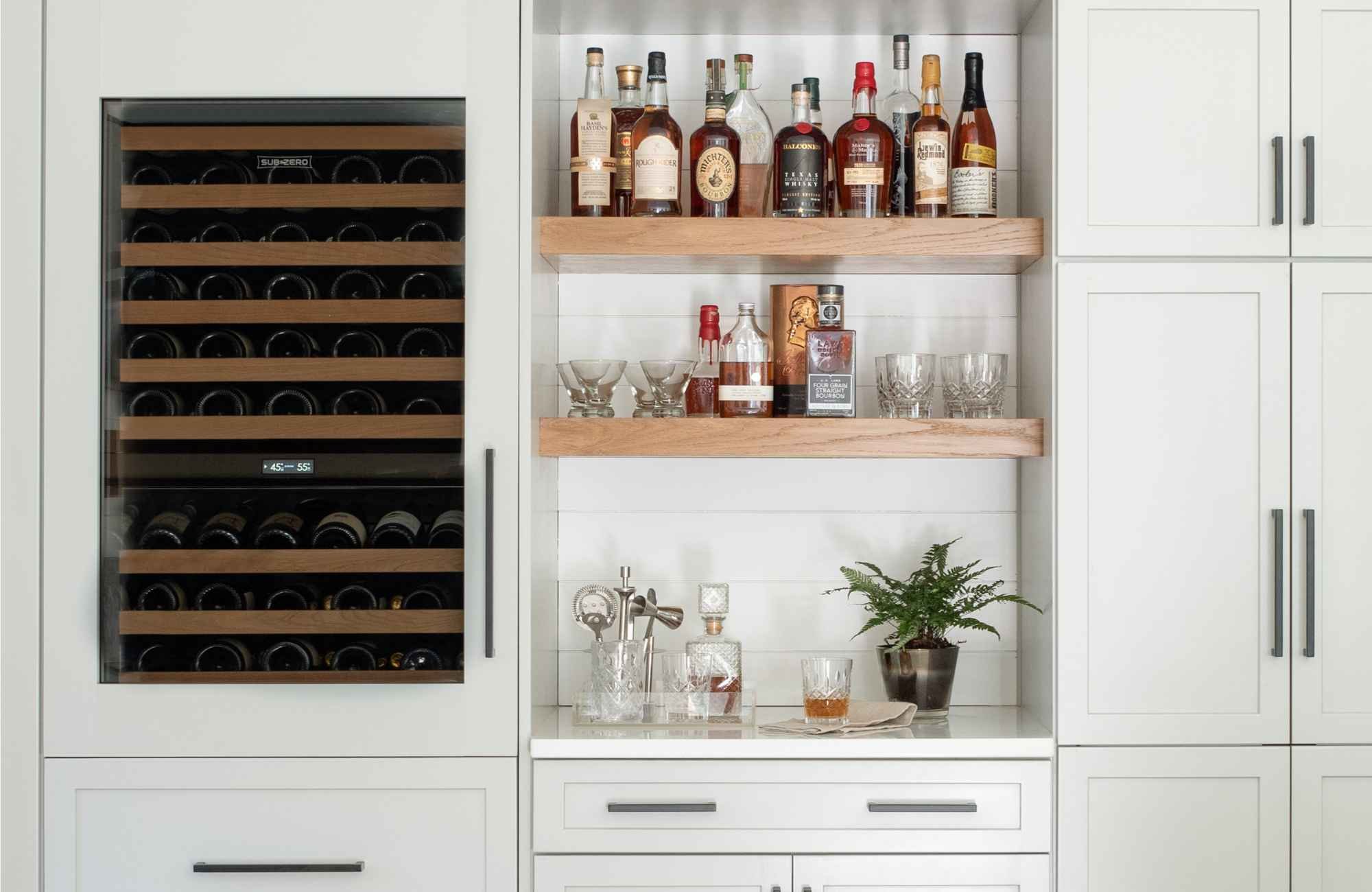
We used a shiplap backsplash for the bar area in our Hermitage Historic project.
Key Principles for Selecting the Perfect Backsplash
Prioritize Functionality Without Sacrificing Style: The backsplash must endure daily kitchen activities. We select materials that are easy to clean and maintain, ensuring they remain beautiful over time.
Consider the Kitchen’s Overall Design Narrative: Every backsplash choice supports the kitchen’s story—whether it’s sleek modern minimalism or warm, layered luxury. Cohesion is essential.
Embrace Intentional Restraint: Sometimes less is more. We avoid overcomplicating the backsplash to maintain a refined, elevated aesthetic that feels thoughtfully curated.
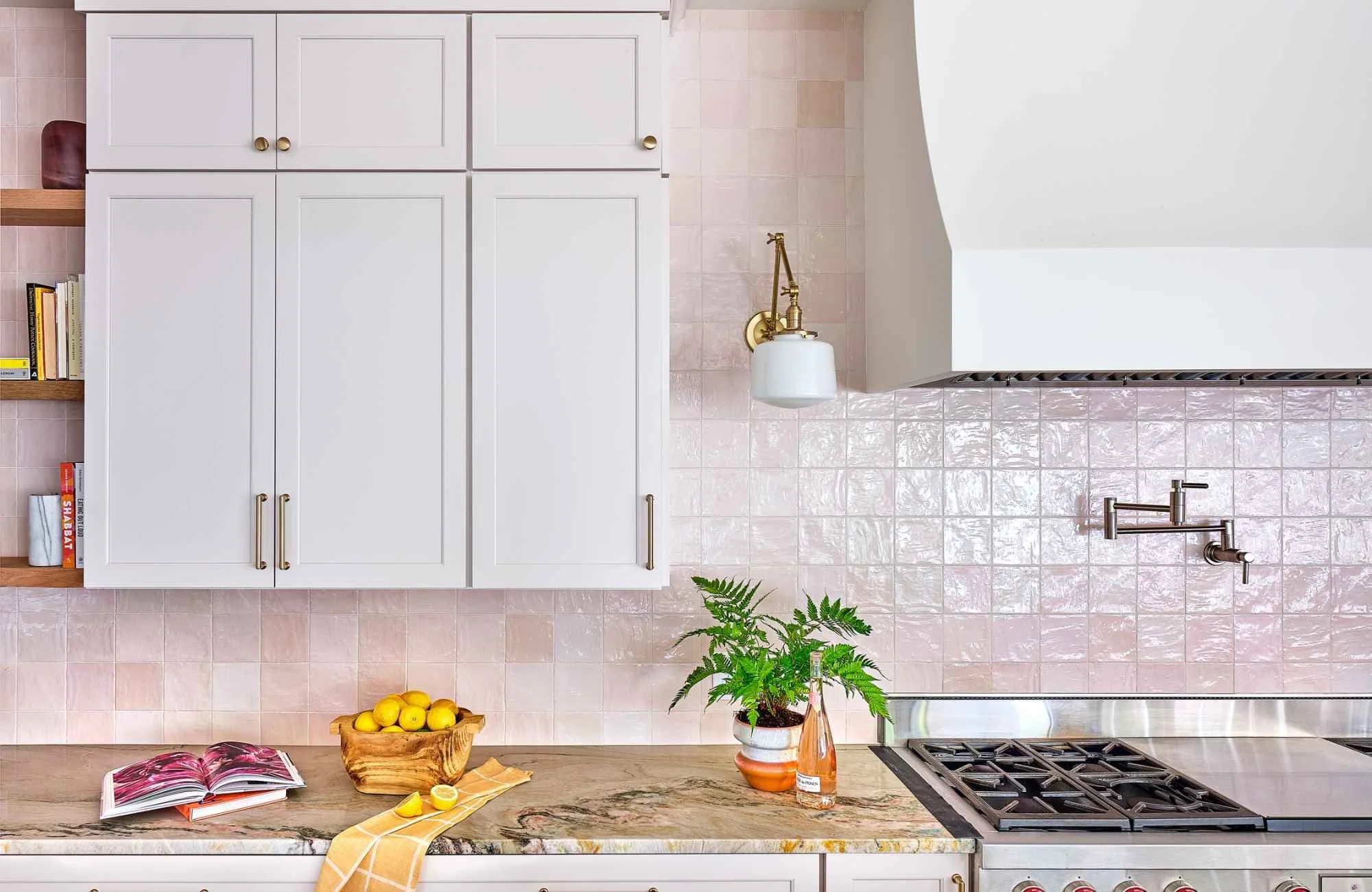
The Most Elevated Backsplashes Feel Intentional and Cohesive
Choosing the right backsplash material is a deliberate process that balances practicality with design vision. By focusing on material performance, visual harmony, and purposeful restraint, we create kitchens where the backsplash enhances every detail.
If you’re ready to elevate your kitchen with a backsplash that’s both beautiful and functional, we’re here to guide you every step of the way. Reach out to us here, and let’s begin the conversation.
See y’all soon,
Susan